Collection of Thoughts and Works on Instagram
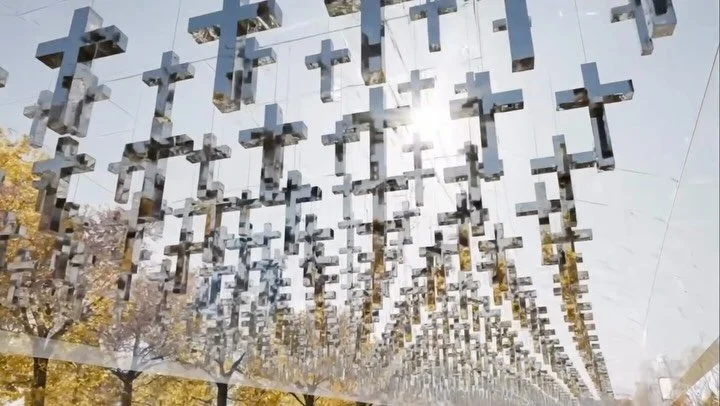
In commemoration of Veterans Day, and Armistice Day, the proposal for a World War I memorial competition in Pershing Park, DC celebrates American lives lost in battle.
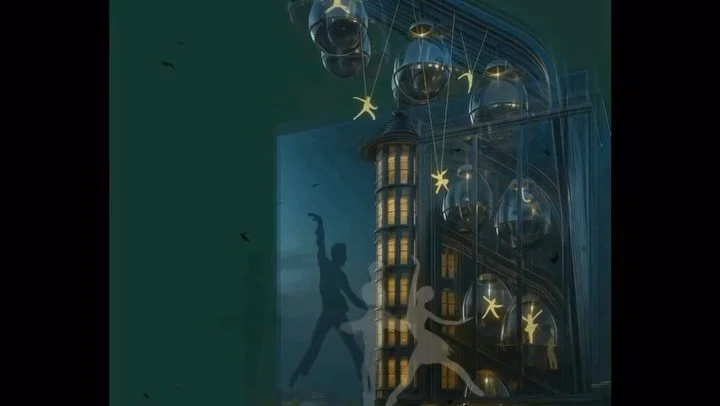
Every day from dawn to dusk, 116,516 shadows visit the park, one for each American life lost in the First World War. The shadows narrate the realities of war and bask in the optimism of the future. The park sets the context for the shadows' arrival and departure and their ephemeral presence.
The park is a field with an outer ring of linden trees and an inner ring of sakura trees, a reflection of peace and new beginnings. The trees are planted in rows aligning with the Washington Monument and the US Capitol. The memorial plaza is located in this landscape, it opens up to the Sherman Monument to the West, Pershing Memorial, and Freedom Plaza to the East. A canopy of 116,516 crosses in a glass enclosure floats above the plaza, a halo in the park.
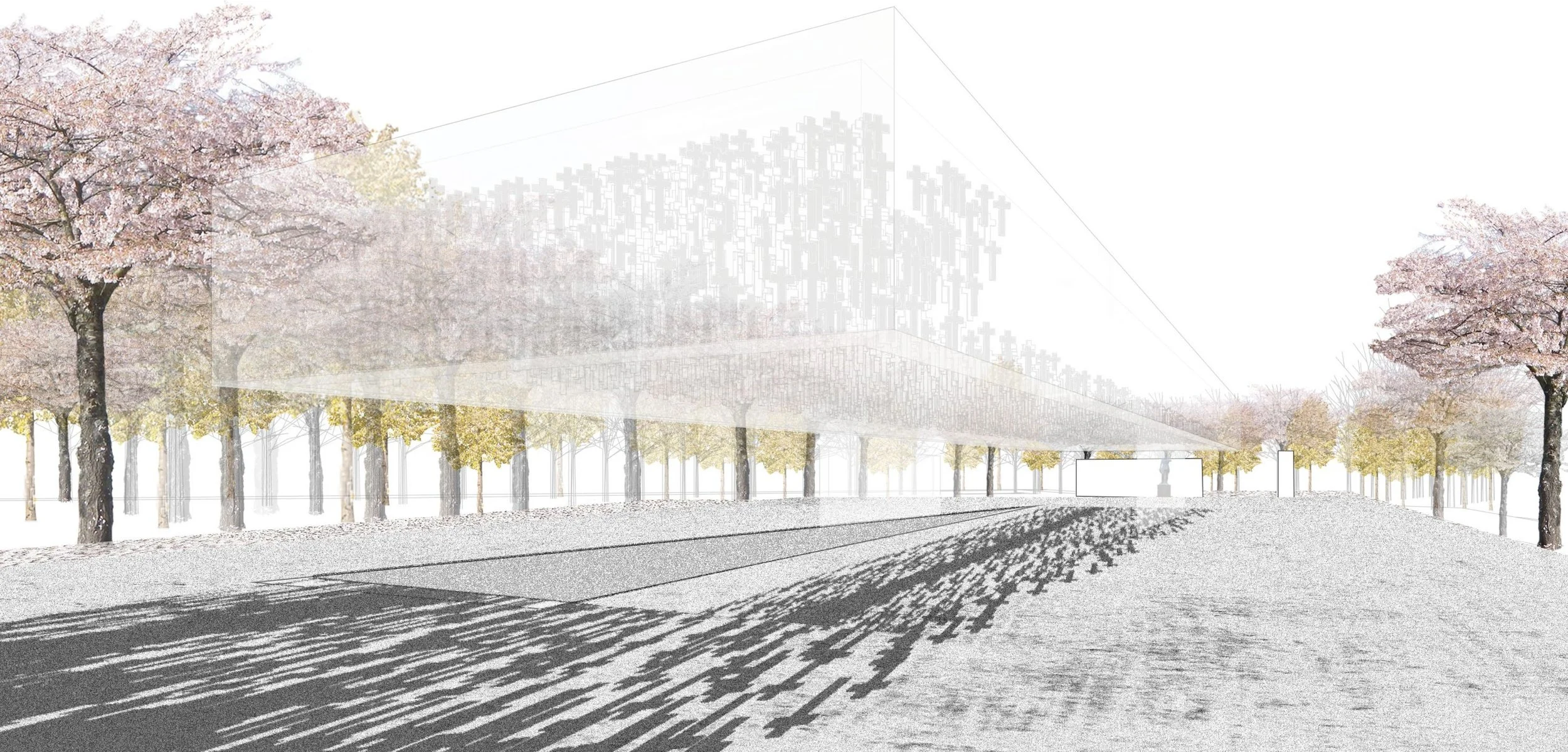
Every visitor to the memorial takes on a journey to see the light through the shadows, through sacrifices. The mood is not of nostalgia, but of honor and hope. The proposal elevates the sacrifices, making all visitors look up with respect, in awe, and watch the rhythmic shadows in remembrance.
The memorial is a place of dialogue between the shadows from the past, visitors of the present, and the landscape of the future.
Red Earth. Red Hands. These were the basis of the Rammed Earth House. It began with my early journey out of Mumbai in search for new forms and methods of architecture. I came across Peter Anderschitz , with whom I had designed and built this house along with local builders.

A new experience, new language, new culture, and new architecture.

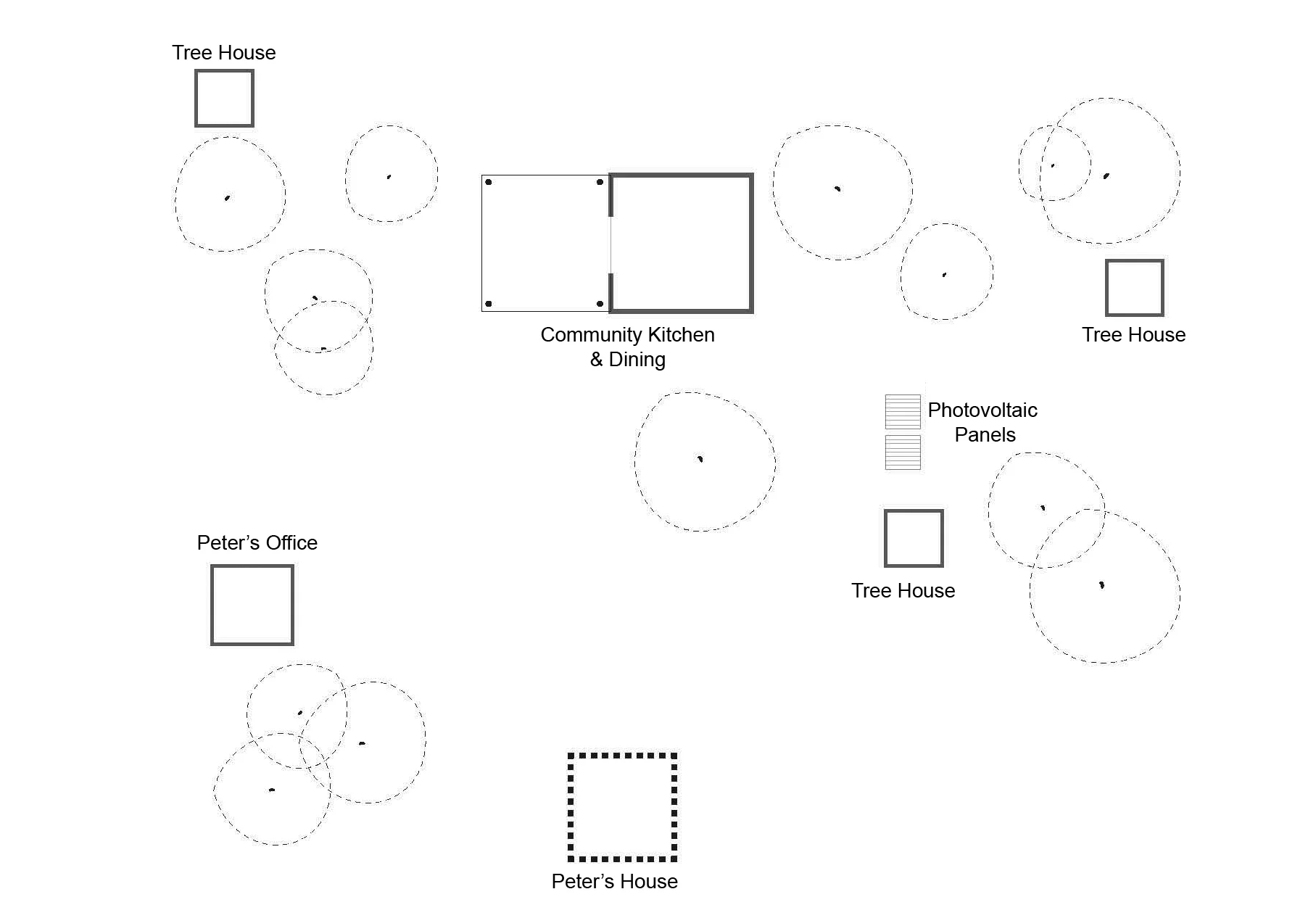


Symmetry. Open corners. Red earth.


... by the next morning, it stood. The only remnants of the cyclone's passing were the leaf-imprints left on the walls.

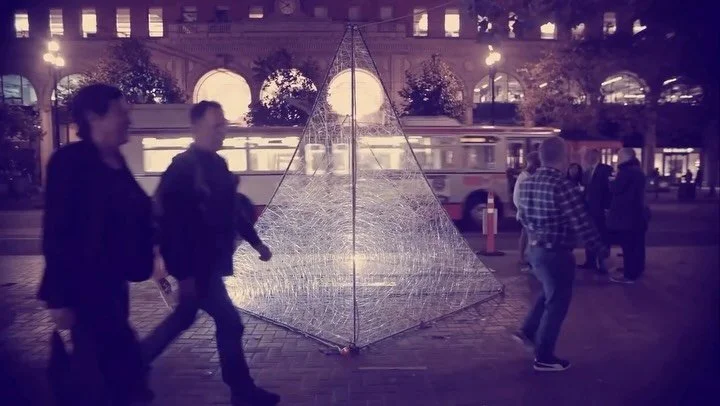
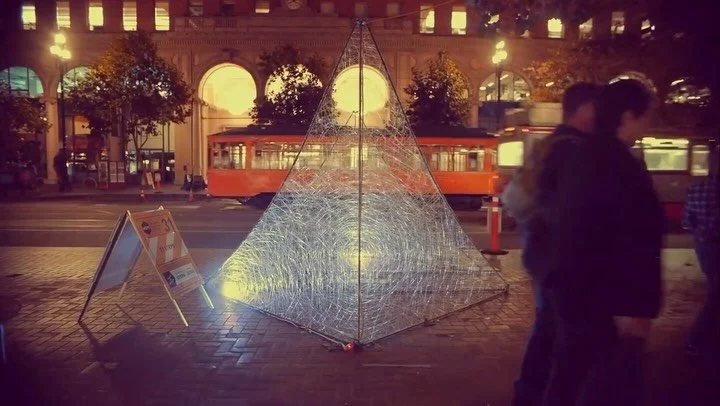
27 steps began as a design for the Nelson Mandela memorial. It later resurrected as a traveling pavilion upon being selected as one of the exhibits at the San Francisco Market Street Prototyping Festival (2016). It consists of one single gesture of taking 27 steps through the piece to commemorate Mandela's 27 years in prison at Robben Island. The two pieces form a center void in the shape of an inverted pyramid --Mandela's journey in carving for peace by inverting the political system. Market Street has always been the venue to voice, to protest, to celebrate, to walk for peace. The Market Street fair offers such a opportunity again, not for a protest, but for a walk for peace in a celebratory environment.

During a peaceful non-apartheid protest in South Africa, just months before Nelson Mandela was released from prison, the police force were determined to arrest anyone who was a part of the protest by tagging them with purple water. The protesters showed resistance by turning the purple water back toward authority and soon after, purple became the sign of resistance.


Motion-sensor-activated LED lights and counter begin to help us understand the patterns and density of Market Street. These counts were also linked to an online database that allowed us and others to track the data in real-time. We would like to further push this concept of using art as an urban metric for any city and add a level of interaction to the streets.
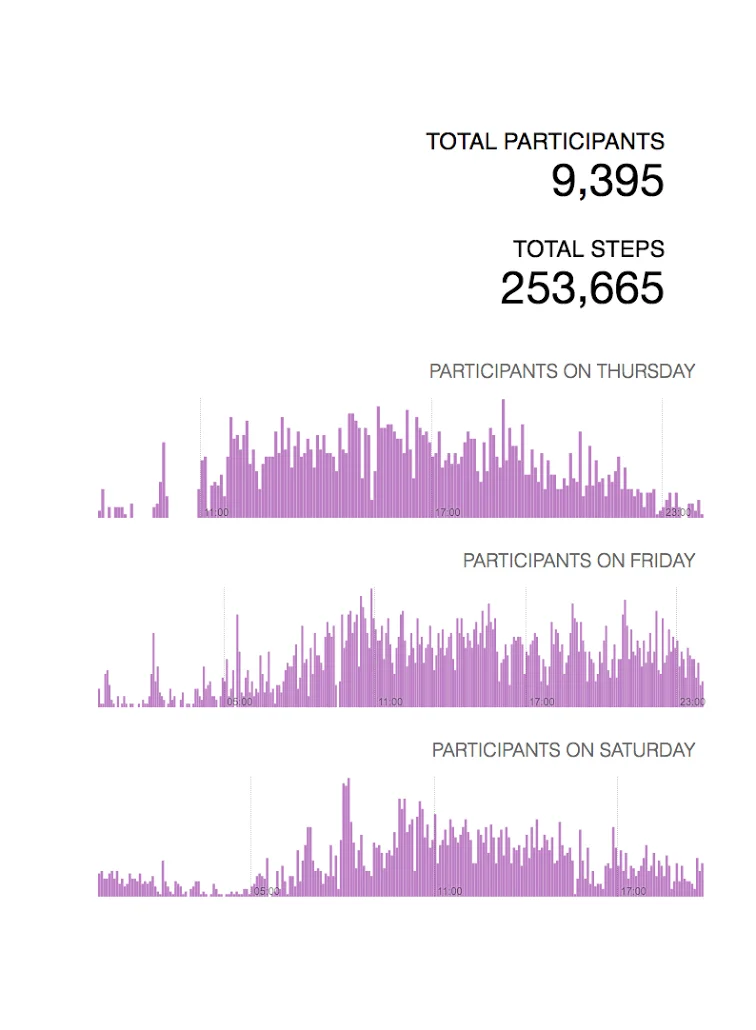
For this project, we contacted a number of individuals with varying talents, including architects, sound composer, videographer, fabricators, lighting designer, technologies, interactive designer, and fundraiser.


Although salinity is rarely what defines Venice, its saline lagoons have brought Venice peace, prosperity, war, and destruction. Standing as a sculpture, "Venice Salt" strips Venice of its water, its gondola rides and instead reveals the impact of its salt. Between 1870 and 2018, largely due to climate change, the sea level in Venice has consistently risen by about 2mm per year. The significance of the water levels can be seen on the deteriorating bases of Venetian buildings; salt deposits from the water now penetrate the brick foundation walls above its Istrian stone base, which had historically been its protective barrier. As the salt crystallizes, it corrodes the bricks and eventually turns them into powder. Per the Intergovernmental Panel on Climate Change, extreme flooding that used to occur in Venice only once every century is now expected to recur every six years by 2050.

Sitting atop a dining table, "Venice Salt" brings home the bipolar nature of salt -- a household necessity as well as a city destroyer. Centered on the table are 12 consecutive boxes, each holding salt quantities at 2mm increasing increments to equate the annual rise in sea level in Venice. While the media often over saturate the impact of climate change with remote statistics and quotes, "Venice Salt" aims to make the issue more tangible via the common household condiment. Historically, salt has also etched many stories across the globe. From around 500 AD to 1700 AD, the salt monopoly elevated Venice to great wealth, while in April 1930 the Gandhi-led salt march resulted in India's independence. The lack of available salt to heal wounds during the War of 1812 war between Napoleon and Russia led to the death of Napoleon's troops during their retreat. While the fluidity of water shapes Venice's beauty, the salt within its water is what determines its existence and deterioration. The impact of salt continues, whether as medicine, a destroyer, a commodity, or as a symbol for movement; its next chapter in history maybe one of its most significant.

Just off of the shores of Juhu Beach in Bombay is the compound in which I had spent my childhood. On the property are three identical bungalows, each consisting of 4 flats. They were built in the early to mid 20th century and served as the barracks for the British during WWII, directly adjacent to Juhu Airport.

My family has lived there through multiple generations and will continue to do so in the future. This project is one step in that evolution. This will be a house for 3 generations: the Baby Boomers, Generation Xs, and Millennials.

History is in the structure.

The future is in health. We see the house as the new clinic. Health starts from the well-being of the occupants. The house can help monitor that health.

As a human, curiosity brings magic into the house. We want to use this opportunity to explore the use of sensors and hands. While the swing sways at the kick of the foot, the doors automatically open and close when certain appliances are used are two people are in two opposing rooms.


